


Chest of Drawer
Luoyang Demei Co., Ltd is a metal furniture manufacturer established in 1996, engaged in OEM&ODM full customization service.Since its establishment, it has owned 200+ professionals, 50000㎡ factory areas, 80+Exporting countries, 200+Containers per month, and 30000m2 production workshops.
Luoyang Demei Furniture Co., Ltd integrates development, design, manufacture, quality inspection, sales and after-sales service. Our main products are metal home and office furniture such as wardrobes, sideboards, bedside tables, TV cabinets, display cabinets, storage racks, filing cabinets, safes, office cabinets, gym lockers and school desks and chairs.
Why Choose Us?
High quality
Our products are manufactured or executed to very high standards, using the finest materials and manufacturing processes.
Competitive Price
We offering a higher-quality product or service at an equivalent price. As a result we have a growing and loyal customer base.
Rich experience
Our company has many years of production work experience. The concept of customer-oriented and win-win cooperation makes the company more mature and stronger.
Global shipping
Our products support global shipping and the logistics system is complete, so our customers are all over the world.
After-sale service
Professional and thoughtful after -sales team, let you worry about us after -sales Intimate service, strong after -sales team support.
Advanced equipment
A machine, tool or instrument designed with advanced technology and functionality to perform highly specific tasks with greater precision, efficiency and reliability.


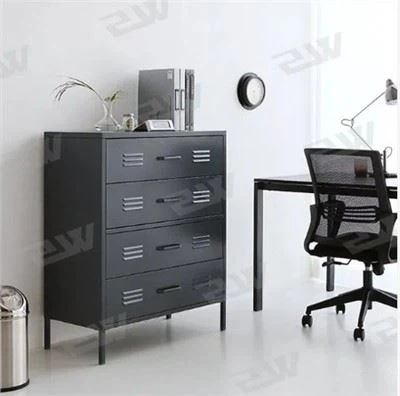


What is Chest Of Drawer?
A chest of drawers, also known as a dresser or a bureau, is a piece of furniture typically used for storing clothes and other personal items. It consists of a tall, upright frame that contains multiple drawers stacked one above the other. Each drawer usually has a front panel with handles or knobs for opening, and the entire assembly rests on four feet or legs.
Benefits of Chest Of Drawer
Organization: Chests of drawers allow for the categorization and organization of items. Each drawer can be designated for specific types of clothing, accessories, or other belongings, making it easier to find what you need quickly.
Space efficiency: By stacking drawers vertically, chests of drawers maximize storage space in a relatively small footprint. This is especially beneficial in smaller rooms or spaces where horizontal storage options might be limited.
Protective storage: Drawers provide enclosed storage, which helps protect contents from dust, light, and potential damage. This is particularly useful for storing delicate items or keeping clothing clean and wrinkle-free.
Versatility: Chests of drawers can be used in various rooms, including bedrooms, living rooms, offices, and hallways, and they can store a wide range of items, from clothes and linens to books, electronics, and craft supplies.
Aesthetic appeal: Chests of drawers come in many styles, materials, and finishes, allowing them to complement different interior designs and enhance the aesthetic of a room.
Concealed appearance: Unlike open shelving, chests of drawers hide clutter from view, giving a tidier appearance to the room and creating a more serene and uncluttered atmosphere.
Customization: Some chests of drawers offer customization options, such as adjustable drawer dividers, hidden compartments, or integrated hampers, which can adapt to specific storage needs.
Durability: When constructed from high-quality materials like solid wood, chests of drawers can be extremely durable and last for many years, often becoming family heirlooms.
Portability: Most chests of drawers have casters or can be easily disassembled, which makes them portable. This allows for easy rearrangement of furniture or moving the unit to a new location.
Increased home value: Well-designed and well-maintained furniture can add value to a home, and a quality chest of drawers can be considered an investment piece.
Types of Chest Of Drawer
Traditional chest of drawers: This classic style features a rectangular shape with a series of stacked drawers. It often has a wooden construction and can be quite ornate with detailed carvings and turned legs.
Modern chest of drawers: Sleek and minimalist, modern chests typically have clean lines, flat surfaces, and sometimes incorporate materials like glass or metal. They may have concealed or exposed hardware.
Lowboy chest of drawers: Shorter than a traditional chest, lowboys have a lower profile and are ideal for placing at the foot of a bed or as a media storage unit in a living room.
Highboy/tallboy chest of drawers: Taller than standard chests, these have multiple drawers stacked vertically and are great for storing larger items or creating vertical storage solutions in a room.
Armoire: While technically a wardrobe, armoires can function similarly to a chest of drawers with their own set of doors and internal drawers for storing clothes and other items.
Bureau: Often featuring a flat surface on top for writing, a bureau is a blend of a desk and a chest of drawers. It usually has a large central drawer flanked by smaller ones on either side.
Chest of six drawers: A common configuration, this chest features six equal-sized drawers stacked in two rows of three.
Chest of five drawers: With five drawers, this type usually has two larger drawers at the bottom and three smaller ones at the top.
Corner chest of drawers: Designed to fit snugly into the corner of a room, these units make efficient use of space that might otherwise go unused.
Dresser with mirror: Often found in bedrooms, this type includes a large mirror mounted above the top drawer, providing a convenient place for dressing up.
Application of Chest Of Drawer
Residential spaces
Bedrooms: The most common application is in the bedroom, where chests of drawers provide storage for clothes, undergarments, socks, and other personal items. They often pair with beds and wardrobes to form complete bedroom furniture sets.
Hallways and entryways: Smaller chests or bureaus can be placed near entryways to store shoes, umbrellas, gloves, and keys, helping to keep outdoor items organized and accessible upon entering or exiting the home.
Living rooms: In living areas, chests of drawers can serve as media storage units for electronics, remote controls, games, and blankets, or even as a display area for decorative items.
Dining rooms: A chest of drawers can be used in a dining room to store table linens, napkins, placemats, and other dining essentials.
Offices and studies: Desks with built-in drawers or standalone chests of drawers can be utilized in home offices to store files, stationery, office supplies, and electronic accessories.
Commercial spaces
Hotels and guest houses: Chests of drawers are standard furnishings in hotel rooms, providing guests with a place to store their clothing and personal items during their stay.
Retail stores: Retail environments may use chests of drawers behind counters or in stock rooms to organize and store merchandise, samples, and packaging materials.
Salons and spas: Drawers can be used in treatment rooms to store towels, robes, and beauty products, ensuring that these items are readily available for clients.
Other applications
Outdoor use: Durable, weatherproof chests of drawers can be used outdoors in sheds, garages, or patios for storing garden tools, sports equipment, and outdoor accessories.
Children's rooms: Specialized chests of drawers designed for children can store toys, clothing, and school supplies, often with safety features like rounded corners and secure drawer latches.
Craft rooms and hobby spaces: Drawers can be used to organize crafting materials, sewing supplies, tools, and other hobby-related items.
Garage storage: Utility chests of drawers can help organize tools, automotive parts, and maintenance supplies in a garage or workshop.
Components of Chest Of Drawer




Drawers: These are the primary compartments of a chest of drawers where items are stored. Each drawer typically slides in and out on tracks called glides. Drawers are usually rectangular and can vary in size and depth depending on the intended use.
Front panels: These are the visible faces of the drawers that include handles or knobs for opening them. Front panels are often made from the same material as the rest of the chest but can also feature different decorative elements or finishes.
Sides and backs: The sides and back of the chest of drawers enclose the structure and provide stability. These are usually constructed from wood, particleboard, or medium-density fiberboard (MDF) and are often covered with the same finish as the exterior of the drawers.
Bottom panel: Each drawer has a bottom panel that supports the contents of the drawer. This is typically a flat piece of wood or another material.
Glides: Drawer glides are the tracks or runners that allow the drawers to slide smoothly in and out of the chest. They can be simple metal or plastic slides or more complex ball-bearing systems for smoother operation and increased support.
Drawer stops: These prevent drawers from being pulled out too far and falling off the tracks. They are usually small plastic or metal tabs attached to the glides.
Guides: Guides are the mechanisms that keep the drawers aligned on the glides and can include center guides that run down the middle of the drawer to prevent swaying.
Dust seals: These are strips of material, often rubber or foam, attached to the underside of the top edges of the drawers. Dust seals help to seal the gap between the drawers and the sides of the chest, preventing dust from settling inside the drawers.
Legs: Most chests of drawers have four legs that support the entire structure. Legs can be straight or have decorative details and are usually made from wood or metal.
Feet: Feet are the protective elements at the bottom of the legs. They can be adjustable to level the chest on uneven surfaces and are often made from rubber or plastic to protect floors from scratches.
Top panel: This is the flat surface on top of the chest of drawers. It provides a workspace or an area for placing additional items. The top panel is usually made from the same material as the rest of the chest and is finished to match.
Hardware: This includes handles or knobs for opening the drawers, as well as any pulls or other decorative elements that enhance the aesthetic appeal of the chest of drawers.
Joinery: The method of connecting the various components of the chest of drawers. Joinery can include dovetails, screws, nails, glue, or other fastening techniques that ensure the structural integrity of the piece.
Material of Chest Of Drawer
Solid wood: Known for its strength and natural beauty, solid wood is a popular choice for high-quality furniture. Common types include oak, maple, cherry, walnut, pine, and mahogany. Solid wood can be stained or finished to enhance its appearance and protect it from damage.
Veneered wood: Veneer consists of thin layers of wood glued to a core material, such as plywood or MDF. It offers the look of solid wood at a lower cost and with greater consistency in grain patterns. Veneer is also less prone to warping and cracking than solid wood.
Particleboard: Made from wood chips bonded with adhesives under heat and pressure, particleboard is an inexpensive option that's easy to shape and paint. However, it's not as strong as solid or veneered wood and is susceptible to water damage.
Medium-density fiberboard (MDF): MDF is an engineered wood product made by breaking down hardwood or softwood into fibers, combining them with wax and resin, and forming them into boards under high pressure. MDF is smooth, uniform, and free of knots, making it ideal for painting and finishing. It's denser and more dimensionally stable than particleboard but still lacks the strength of solid wood.
Plywood: Plywood is made by gluing together thin layers of wood veneer, rotating the grain direction of each layer. This results in a strong, lightweight material that resists warping and shrinking. Plywood is often used for the sides, backs, and bottoms of chests of drawers.
Metal: Metal chests of drawers are durable and long-lasting, often used in commercial or industrial settings. They can be constructed from various metals, including steel, aluminum, and sometimes brass for decorative purposes. Metal is resistant to moisture and damage but can be heavy and prone to rust if not properly treated.
Plastic: Lightweight and low-cost, plastic chests of drawers are practical for temporary or budget-conscious solutions. They are less likely to scratch or dent than wooden options but may not offer the same level of durability or elegance.
Glass: Glass can be used for the front panels of drawers or as a decorative element. It adds a modern, sleek look but is fragile and requires careful handling.
Process of Chest Of Drawer
The first step is to conceptualize the design of the chest of drawers. This involves determining the dimensions, number of drawers, type of hardware, style (e.g., contemporary, traditional), and the material(s) to be used. Design software can assist in visualizing the design and making adjustments before production begins.
Based on the design, the appropriate materials are selected. This includes choosing the type of wood (if applicable), hardware, and any finishes or treatments required.
Engineers create detailed drawings and plans that outline the construction specifications, joinery methods, and assembly procedures. This ensures precision and efficiency during the manufacturing process.
The raw materials are cut to size using saws or computer numerical control (CNC) machines. For wood, this might involve ripping, crosscutting, and jointing to create pieces that fit together accurately.
The cut pieces are assembled according to the engineering plans. This can involve various joinery techniques, such as dovetailing, mortise and tenon, rabbeting, nailing, or using screws and glue. The construction of the frame and the installation of the drawers are critical parts of this stage.
Once the chest of drawers is assembled, it undergoes a finishing process. This may include sanding to remove rough edges and prepare the surface for finishing. Then, the piece is stained, painted, varnished, or otherwise treated to protect the material and enhance its appearance.
After the finish has dried, the hardware, such as handles, knobs, and drawer slides, is installed. This hardware must be securely attached to ensure smooth operation of the drawers.
Throughout the manufacturing process, quality control measures are in place to inspect the workmanship and ensure that the product meets the necessary standards. Final inspections are conducted before the chest of drawers is packaged for shipping.
The finished chest of drawers is carefully packed to protect it during transportation. Packaging may include polystyrene, foam, cardboard, or other materials to cushion and secure the piece.
The chest of drawers is then shipped to retailers, distributors, or directly to consumers, depending on the sales model.
How to Maintain Chest Of Drawer
Clean regularly: Dust the exterior of the chest of drawers using a microfiber cloth or soft brush. For wooden surfaces, you might use a slightly damp cloth followed by a dry one to prevent water spots. For metal or glass components, clean with a suitable glass cleaner or mild soap solution.
Vacuum inside: Use the upholstery attachment of your vacuum cleaner to remove dust and debris from the inside of the drawers. This helps prevent stains and keeps clothes clean.
Lubricate drawer slides: Apply a silicone spray lubricant or powdered graphite to the tracks and rollers of the drawers to ensure they open and close smoothly. Avoid using oil-based lubricants, as these can attract dirt and grime.
Organize contents: Use drawer organizers to keep items sorted and prevent clutter. This makes it easier to find what you need and reduces wear and tear on the drawer bottoms.
Avoid overloading: Do not overfill drawers, as this can cause the drawers to stick or the bottom to break. Ensure there is adequate space for air circulation to prevent moisture buildup.
Level the chest: If the chest of drawers wobbles, check that it's level on the floor. You may need to adjust the feet using a wrench or by adding small pieces of rubber or cork underneath uneven legs.
Repair promptly: Address any issues such as loose knobs, broken drawer slides, or sticking drawers as soon as they arise. Tighten screws, replace hardware, or repair damaged parts to prevent further damage.
Avoid direct sunlight: Keep the chest of drawers out of direct sunlight to prevent fading of wood finishes or discoloration of fabrics.
Protect from moisture: Humidity can damage wood and other materials. Use dehumidifiers if necessary and avoid placing the chest in damp areas.
Polish wood surfaces: For wooden chests, apply a suitable wood polish periodically to maintain the sheen and protect the finish. Follow the manufacturer's instructions for the best results.
How to Choose Chest Of Drawer
Size and dimensions
Measure the space where the chest of drawers will go to determine the maximum size you can accommodate. Consider the height, width, and depth to ensure it fits well in the room without obstructing pathways or furniture.
Storage needs
Think about what you plan to store in the drawers. Will you be storing clothing, linens, or miscellaneous items? This will help you decide on the number of drawers and their configuration. Larger drawers might be better for bulky items, while shallow drawers could be ideal for smaller items like socks or undergarments.
Material
The material of the chest of drawers affects its durability, appearance, and cost. Common materials include solid wood (such as oak, maple, or pine), medium-density fiberboard (MDF), plywood, and particleboard. Solid wood is typically more durable and has a classic look, but it's also more expensive. MDF and particleboard are more budget-friendly options but may not hold up as well over time, especially if exposed to moisture.
Style and design
Select a style that complements the existing furniture and decor in your room. Styles range from traditional to modern, with variations in details like hardware (knobs, pulls), legs, and finishes. Matching the style of the chest of drawers with other furniture in the same room can create a cohesive look.
Durability
Look for signs of quality construction, such as dovetail joints, sturdy drawer glides, and reinforced corners. These features indicate that the chest of drawers is likely to last longer and withstand daily use.
Functionality
Consider additional features that might enhance the functionality of the chest of drawers, such as soft-closing drawers, hidden compartments, or built-in organizers. These extras can make the piece more convenient to use.
Budget
Determine how much you're willing to spend on a chest of drawers. Prices can vary widely based on the material, size, brand, and features. Set a budget before shopping to narrow down your options.
Brand reputation
Research different brands to see which ones have a reputation for quality and customer satisfaction. A good brand can offer warranties and reliable after-sales service.
Assembly
Decide whether you want a fully assembled chest of drawers or if you're comfortable assembling it yourself. Some furniture stores offer assembly services for an additional fee.
Sustainability
If environmental impact is a concern, look for chests of drawers made from sustainable or recycled materials, and check if the manufacturer practices responsible forestry and has eco-friendly production processes.
How to Install Chest Of Drawer
Unpack and inspect
Carefully unpack all the components and check for any damage. Make sure you have all the necessary hardware, such as screws, bolts, and knobs.
Attach side panels
Connect the side panels to the back panel using the provided screws or bolts. Some kits might include pre-drilled holes for easy assembly.
Install drawer runners
Attach the runners or tracks to the side panels according to the manufacturer's instructions. Make sure they are level and aligned properly.
Attach drawer fronts
Once the drawers are assembled, attach the drawer fronts by aligning them with the front of the drawers and securing them with screws from the inside.
Lay out the parts
Spread out all the pieces and hardware on a flat surface. Refer to the instruction manual to familiarize yourself with the assembly process.
Attach the top panel
Secure the top panel to the side and back panels. Depending on the design, this could involve attaching it directly to the frame or using brackets.
Assemble the drawers
Construct the drawers by connecting the front, back, and sides. Some drawers may come with bottoms that need to be inserted before assembly.
Test drawers
Test each drawer to ensure it opens and closes smoothly on the runners. Adjust if necessary.
Our Factory
Luoyang Demei Co., Ltd is a metal furniture manufacturer established in 1996, engaged in OEM&ODM full customization service.Since its establishment, it has owned 200+ professionals, 50000㎡ factory areas, 80+Exporting countries, 200+Containers per month, and 30000m2 production workshops.

Our Certificate

FAQ
Q: What is a chest of drawers?
Q: How many drawers does a typical chest of drawers have?
Q: What materials are chests of drawers made from?
Q: What are the benefits of a wooden chest of drawers?
Q: What are the benefits of a metal chest of drawers?
Q: What are the benefits of a plastic chest of drawers?
Q: What are the benefits of a glass chest of drawers?
Q: How do I choose the right size chest of drawers for my bedroom?
Q: How do I choose the right style of chest of drawers for my bedroom?
Q: What are some popular design elements for chests of drawers?
Q: How do I care for a wooden chest of drawers?
Q: How do I care for a metal chest of drawers?
Q: How do I care for a plastic chest of drawers?
Q: How do I care for a glass chest of drawers?
Q: What are some common problems with chests of drawers?
Q: How do I fix a sticking drawer?
Q: How do I fix wobbly legs on a chest of drawers?
Q: How do I replace damaged hardware on a chest of drawers?
Q: Can I modify a chest of drawers to fit my needs?
Q: Where can I buy a chest of drawers?
We're well-known as one of the leading chest of drawer manufacturers and suppliers in China. Please rest assured to wholesale high quality chest of drawer at competitive price from our factory. For customized service, contact us now.
TV Stands with Drawers, Black Metal Chest of Drawer, Metal Living Room Sideboard Cabinet