


Wardrobe
Luoyang Demei Co., Ltd is a metal furniture manufacturer established in 1996, engaged in OEM&ODM full customization service.Since its establishment, it has owned 200+ professionals, 50000㎡ factory areas, 80+Exporting countries, 200+Containers per month, and 30000m2 production workshops.
Luoyang Demei Furniture Co., Ltd integrates development, design, manufacture, quality inspection, sales and after-sales service. Our main products are metal home and office furniture such as wardrobes, sideboards, bedside tables, TV cabinets, display cabinets, storage racks, filing cabinets, safes, office cabinets, gym lockers and school desks and chairs.
Why Choose Us?
High quality
Our products are manufactured or executed to very high standards, using the finest materials and manufacturing processes.
Competitive Price
We offering a higher-quality product or service at an equivalent price. As a result we have a growing and loyal customer base.
Rich experience
Our company has many years of production work experience. The concept of customer-oriented and win-win cooperation makes the company more mature and stronger.
Global shipping
Our products support global shipping and the logistics system is complete, so our customers are all over the world.
After-sale service
Professional and thoughtful after -sales team, let you worry about us after -sales Intimate service, strong after -sales team support.
Advanced equipment
A machine, tool or instrument designed with advanced technology and functionality to perform highly specific tasks with greater precision, efficiency and reliability.
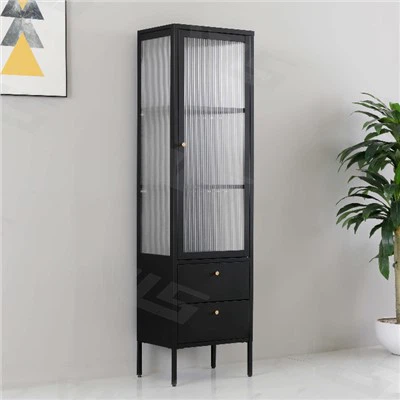


A wardrobe, also called armoire or almirah, is a standing closet used for storing clothes. The earliest wardrobe was a chest, and it was not until some degree of luxury was attained in regal palaces and the castles of powerful nobles that separate accommodation was provided for the apparel of the great. The name of wardrobe was then given to a room in which the wall-space was filled with closets and lockers, the drawer being a comparatively modern invention. From these cupboards and lockers the modern wardrobe, with its hanging spaces, sliding shelves and drawers, evolved slowly.
Benefits of Wardrobe
Organization: A well-designed wardrobe helps keep clothes, shoes, and accessories neatly organized, saving time when searching for items.
Space efficiency: Built-in wardrobes often maximize space by utilizing every inch of available room, including corners and awkward spaces, which is particularly beneficial in smaller living areas.
Customization: Customizable wardrobes allow for personalized storage solutions that cater to individual needs, such as specific sections for suits, dresses, or shoes.
Integration with smart home systems: When connected to smart home technology, a wardrobe can become an integral part of a broader ecosystem of automated devices, offering features like automatic lighting, temperature control, and even inventory management.
Enhanced accessibility: Features such as sliding doors or easy-to-reach shelves make accessing stored items simpler, especially for those with mobility challenges.
Protection for clothing: Some wardrobes come with built-in climate control or anti-humidity systems that help protect clothes from damage caused by extreme temperatures or dampness.
Energy efficiency: Smart wardrobes with energy-efficient LED lighting can reduce electricity consumption compared to traditional bulbs.
Aesthetic appeal: Modern wardrobes often have sleek, contemporary designs that complement various interior decor styles, adding to the overall ambiance of a room.
Inventory management: With built-in RFID tags or barcode scanners, a smart wardrobe can keep track of clothing items, suggesting maintenance schedules or notifying when items are overdue for cleaning or repair.
Longevity: High-quality materials and craftsmanship in smart wardrobes ensure durability and longevity, reducing the need for frequent replacements.
Increased property value: Well-designed and functional wardrobes can increase the value of a property, making them an attractive feature for potential buyers.
Types of Wardrobe
Freestanding wardrobes: These are standalone units that can be moved and placed anywhere in a room. They come in various sizes and styles, from traditional to modern.
Built-in wardrobes (fitted wardrobes): These are custom-built to fit into a specific space within a room, often along one or more walls. They provide a seamless look and can maximize storage in oddly shaped rooms.
Walk-in wardrobes: Walk-in wardrobes are large closets that have enough space to walk inside. They usually include hanging rods, shelves, drawers, and sometimes even an island for additional storage and organization.
Sliding door wardrobes: These have doors that slide open instead of swinging out, which is ideal for space-saving in small rooms or where there isn’t enough clearance for traditional doors.
Armoire: An armoire is a tall, freestanding cabinet traditionally used for storing clothes. While similar to a wardrobe, armoires often have a more ornate design and can include additional features like a mirror on the door.
Corner wardrobes: Designed to fit into the corner of a room, these wardrobes make use of space that might otherwise go unused.
Wardrobe with hutch: This type includes a wardrobe below with a hutch or upper section that provides extra storage or display space for items like books, decor, or additional clothing.
Junior wardrobes: Smaller than standard wardrobes, these are designed for children’s rooms and may include fun colors or themes.
Robes with integrated technology: These include features like built-in lighting, charging stations for electronic devices, or even integrated smart home controls.
Portable wardrobes (closet organizers): These are lightweight, collapsible units that can be easily assembled and disassembled. They are perfect for temporary storage or when moving.
Components of Wardrobe




Frame: The skeletal structure that supports the entire wardrobe. It can be made of wood, metal, or other materials.
Doors: Sliding or hinged panels that close off the wardrobe's interior. Doors can have mirrors, glass panels, or solid surfaces.
Hanging rods: Horizontal bars from which clothes can be hung. There may be one or multiple rods at different heights to accommodate long and short garments.
Drawers: Sliding or hinged compartments used for storing folded clothes, undergarments, socks, and other items. Drawers can be shallow or deep.
Shelves: Flat horizontal surfaces used for storing items that do not need to be hung, such as sweaters, shoes, boxes, or baskets. Shelves can be fixed or adjustable.
Shoe racks: Dedicated spaces for storing shoes, which can be shelves, racks, or cubbies.
Tie racks and belt racks: Small racks or hooks designed to hold ties, belts, and scarves neatly.
Pant racks: Racks with clips or bars that hold trousers vertically without creasing them.
Jewelry trays and organizers: Compartments or small drawers with sections for storing jewelry, watches, and other accessories.
Interior lighting: Lights installed inside the wardrobe to illuminate the contents, making it easier to see and choose items.
Mirror: A full-length mirror attached to the inside or outside of the wardrobe doors, allowing for easy viewing during dressing.
Handles and knobs: Hardware used to open drawers and doors. Handles can be simple knobs, pulls, or more elaborate designs.
Hinges and sliders: Mechanisms that allow doors and drawers to open and close smoothly. Sliders are used for doors that move horizontally, while hinges are used for traditional swinging doors.
Fasteners and clasps: Devices that secure the wardrobe doors closed, such as magnetic catches or latches.
Adjustment mechanisms: For adjustable shelves and hanging rods, these mechanisms allow the user to customize the wardrobe's storage options according to their needs.
Back panel: A flat piece of material that covers the back of the wardrobe, providing stability and preventing items from falling through the gaps between the frame.
Base: The bottom part of the wardrobe that rests on the floor, which may include feet or a platform to raise the wardrobe slightly and allow for better air circulation.
Top crown: The topmost part of the wardrobe, which may be finished or left unfinished, depending on the design.
Material of Wardrobe
Composites: Materials like medium-density fiberboard (MDF) with a laminate or melamine finish are considered composites. These materials combine the properties of different substances to create a new material with desired characteristics.
Solid wood: Known for its natural beauty and strength, solid wood is a popular choice for high-end wardrobes. It can be oak, maple, walnut, cherry, or pine among others. Solid wood is durable but expensive and requires maintenance.
Plywood: Made by layering thin sheets of wood veneer, plywood is strong, less expensive than solid wood, and resistant to warping and cracking. It is often used for the inner parts of wardrobes or for those with a veneer finish.
Particleboard: This engineered wood product is made from wood chips, sawmill shavings, or even sawdust, bonded with adhesives under heat and pressure. It is lightweight and inexpensive but not as durable as plywood or solid wood.
Medium-density fiberboard (MDF): MDF is an engineered wood panel composed of wood fibers bound with resin under high pressure. It has a smooth surface, is easy to cut, and provides a good base for painted finishes. However, it is not as structurally robust as plywood.
Melamine: Often used as a coating on particleboard or MDF, melamine is a plastic resin that provides a hard, moisture-resistant surface. It comes in various colors and patterns and is commonly used for budget-friendly wardrobe options.
Veneer: A thin layer of wood applied to the surface of another material like plywood or MDF. Veneer gives the appearance of solid wood at a lower cost and with improved stability.
Metal: Metal frames or accents are used for a modern look or added strength. Aluminum, stainless steel, and iron are common choices. Metal can add durability but may increase the overall weight of the wardrobe.
Glass: Clear or frosted glass can be used for doors or as decorative elements. It adds a sleek, contemporary feel but is more fragile and requires careful handling.
Acrylic: Acrylic is used for transparent or translucent panels and doors. It is lightweight, shatter-resistant compared to glass, and can mimic the look of higher-end materials.
Laminates: Laminate materials are layers of paper impregnated with resin fused to a core board. They come in a wide range of finishes and are resistant to scratches and stains.
Fabrics: Fabrics such as canvas or linen might be used for soft-close doors or as a decorative feature.
Process of Wardrobe
Design phase
This is where the concept of the wardrobe is developed. Designers consider factors such as size, style, functionality, and the intended location. They may sketch initial designs or use computer-aided design (CAD) software to create detailed plans.
Material selection
Based on the design, the appropriate materials are chosen. This includes considering the type of wood, hardware, and any additional features like mirrors or glass.
Cutting
Once the materials are selected, they are cut to the required dimensions. Tools like saws, either manual or CNC (computer numerical control), are used for this purpose. Precision is critical to ensure all parts fit together correctly.
Assembly
The cut pieces are assembled to form the wardrobe's frame and internal components. This step may involve nailing, screwing, gluing, or using specialized connectors, depending on the material and design.
Finishing
After assembly, the wardrobe undergoes finishing to protect the material and enhance its appearance. Finishes can include painting, staining, varnishing, or applying veneers. This step also includes attaching hardware such as handles, knobs, hinges, and sliding mechanisms.
Quality control
Each wardrobe is inspected for quality before it is deemed ready for sale or installation. This includes checking for structural integrity, proper alignment of doors and drawers, and the smooth operation of all moving parts.
Packaging
For transport, the wardrobe is disassembled if necessary (flat-packed) and packaged carefully with protective materials to prevent damage during shipping.
Installation
Upon arrival at the destination, the wardrobe is assembled on-site if it was flat-packed. Installation may require leveling the wardrobe to ensure it stands upright and securely fastening it to the wall if required for stability.
Final adjustments
After installation, final adjustments are made. This could include aligning doors, adjusting shelf heights, and ensuring that all drawers and doors open and close smoothly.
Maintenance and care instructions
How to Maintain Wardrobe
Dust regularly: Use a soft cloth or feather duster to dust off the exterior of your wardrobe regularly. This helps prevent dirt buildup and keeps the wood or other materials looking fresh.
Clean the interior: Wipe down shelves, drawers, and hanging rods with a damp cloth. For stubborn stains or spills, use a mild soap solution. Avoid using harsh chemicals that could damage the finish.
Vacuum inside: Use the brush attachment of your vacuum cleaner to remove dust from crevices, behind drawers, and on top of shelves.
Polish wood surfaces: Apply a suitable wood polish according to the manufacturer's instructions. This will help protect the wood and give it a shine.
Check hardware: Tighten any loose screws on handles, knobs, and hinges. Replace broken or worn hardware to maintain functionality and appearance.
Lubricate sliding doors and drawers: Apply a silicone spray or graphite powder to the tracks of sliding doors and drawers to ensure smooth operation.
Prevent moisture: Keep your wardrobe dry to avoid warping, swelling, or mold. Use a dehumidifier if necessary, especially in damp climates or basements.
Organize clothing: Keep your clothing neatly hung or folded to prevent wrinkles and maintain the wardrobe's organization. Use dividers or bins to separate items and make finding things easier.
Avoid overloading: Do not overload drawers or hang too many clothes, as this can cause strain on the structure and reduce its lifespan.
Repair promptly: Address any issues such as damaged shelves or sticking doors as soon as they arise to prevent further damage.
Protect floors: Place pads or protectors under the feet of your wardrobe to prevent scratching or damaging the flooring.
Follow care instructions: Always refer to the manufacturer's care guidelines for specific materials and finishes.
How to Choose Wardrobe
Measure your space
Before purchasing a wardrobe, measure the available space in your bedroom to ensure that the wardrobe will fit properly. Consider both width, height, and depth, and allow for any necessary clearance around the wardrobe for easy access.
Determine your storage needs
Think about what types of clothing and accessories you need to store, and how much hanging space, drawer space, and shelf space you will require. Consider additional features like shoe racks, tie racks, or jewelry organizers if needed.
Choose a style
Select a wardrobe style that complements the overall decor of your bedroom. Consider factors such as color, finish, and design elements. Whether you prefer a traditional, modern, minimalist, or rustic style, there are plenty of options available to suit your taste.
Evaluate functionality
Consider the ease of use and functionality of the wardrobe. Are the doors easy to open and close? Are the shelves adjustable? Is there enough hanging space for your needs? Consider any additional features that would make the wardrobe more convenient and user-friendly.
Select a material
Wardrobes can be made from a variety of materials, including solid wood, particleboard, MDF (medium-density fiberboard), and plywood. Consider the durability, weight, and appearance of each material, as well as any environmental concerns.
Consider quality and construction
Look for a wardrobe that is well-made and constructed with attention to detail. Check for sturdy construction, smooth edges, and high-quality hardware. Avoid wardrobes with flimsy particleboard or cheap plastic components.
Set a budget
Determine how much you are willing to spend on a wardrobe, and stick to your budget. Remember to factor in any additional costs such as delivery or assembly fees.
Compare options
Compare different wardrobe options from various retailers or manufacturers to find the best combination of price, quality, and features. Read reviews and compare warranties to ensure that you are making a wise investment.
What Are the Trends and Development Directions of Wardrobe in the Market
There is an increasing demand for sustainable furniture, including wardrobes. Consumers are looking for products made from responsibly sourced materials, such as FSC-certified wood, bamboo, or recycled composites. Manufacturers are responding by offering eco-friendly options and improving their production processes to reduce waste and carbon footprint.
People are seeking wardrobes that can be tailored to their specific storage needs and personal preferences. Customizable wardrobes, which allow consumers to select sizes, styles, finishes, and internal configurations, are becoming more popular. Online configurators enable customers to design their wardrobes virtually before purchase.
With the rise of smart home technology, there is a trend towards integrating wardrobes with digital systems. Features such as built-in lighting, touch sensors, integrated USB ports, and even climate control are being incorporated into modern wardrobe designs. Some wardrobes can be connected to smart home hubs to provide remote control and automation.
As living spaces become smaller, particularly in urban areas, there is a growing need for space-saving solutions. Wardrobes that double as room dividers, incorporate study areas, or have sliding doors to save space are increasingly sought after. Multipurpose furniture is a significant development direction in the market.
Modular wardrobe systems offer flexibility in terms of assembly and reconfiguration. These systems consist of interchangeable components that can be easily added, removed, or rearranged to adapt to changing storage needs or interior designs.
Aesthetics continue to play a crucial role in the design of wardrobes. Modern trends favor clean lines, minimalist designs, and sleek finishes. There is also a growing appreciation for unique and statement pieces that can serve as a focal point in the bedroom.
Consumers are looking for wardrobes that are built to last. Manufacturers are investing in better materials and construction techniques to ensure their products can withstand the test of time, reducing the need for frequent replacements.
With the growth of online shopping, consumers expect a seamless buying experience. Retailers are developing user-friendly websites and mobile apps that allow for easy browsing, customization, and purchase of wardrobes, often with enhanced augmented reality (AR) features to visualize products in one's home.
What Is the Difference Between a Closet and a Wardrobe?
In the context of engineering and interior design, a closet and a wardrobe refer to two distinct types of storage solutions for clothing and personal items, each with specific characteristics and applications:
Closet
A closet is typically a small room or enclosed space within a dwelling that is specifically designed for storing clothes and other personal items. Closets can be walk-in or reach-in styles. Walk-in closets are large enough to allow a person to enter and move around inside, often featuring multiple hanging rods, shelves, and sometimes even islands or seating areas for dressing. Reach-in closets are smaller and shallower, with sliding or swinging doors that limit the access to the storage space inside. Closets are generally built as part of the original structure of a home and are not movable.
Engineering considerations for closets include
Structural integration: Closets are often constructed during the initial building phase and are integrated into the home's framework.
Spatial planning: Engineers must consider the optimal use of space, ensuring efficient storage solutions within the allocated area.
Lighting and ventilation: Proper lighting and ventilation systems are critical for maintaining an organized and usable closet space.
Wardrobe: A wardrobe, on the other hand, is a standalone piece of furniture that is designed to provide storage for clothing and accessories. It can be moved from one location to another as needed. Wardrobes come in various sizes and styles, ranging from simple freestanding units to elaborate armoires with intricate designs. They often have doors that can be slid open or swung open on hinges, and may include features like drawers, shelves, and hanging rods for organization.
Engineering aspects of wardrobes include
Material selection: Wardrobes can be made from a variety of materials, each with different properties such as weight, durability, and aesthetic appeal.
Design and ergonomics: The design must consider user interaction, including the ease of opening doors, the accessibility of contents, and the overall ergonomic efficiency of the piece.
Manufacturing and assembly: Wardrobes are often manufactured in sections for ease of assembly and transport, requiring precise engineering to ensure stability and functionality once assembled.
Both closets and wardrobes serve similar functions in terms of organizing and protecting clothing and personal items; however, their integration into living spaces differs significantly. Closets are permanent fixtures within the architecture of a home, while wardrobes are flexible, movable furniture pieces that can adapt to various living environments. The choice between a closet and a wardrobe will depend on the specific needs of the individual, the available space, and the desired level of mobility and customization.
How Do I Organize My Wardrobe Effectively?
Organizing your wardrobe effectively involves creating a system that allows you to easily find and access your clothes, maintain them in good condition, and keep track of what you own. Here are some steps and strategies to help you achieve an organized wardrobe:

Declutter: Start by removing everything from your wardrobe. Go through each item and decide whether it fits, you love it, and you wear it regularly. Discard anything that doesn’t meet these criteria, either by donating, selling, or throwing it away.
Categorize:Sort your remaining items into categories such as tops, bottoms, dresses, shoes, accessories, and undergarments. This makes it easier to see what you have and allocate space accordingly.
Frequency of use: Arrange your clothes by how often you wear them. Frequently worn items should be placed at eye level for easy access. Less frequently worn items can be stored on higher shelves or at the back of drawers.
Seasonal storage: Store out-of-season clothes in vacuum-sealed bags or boxes to save space. Keep only the current season’s clothing in your wardrobe.
Use appropriate hangers: Invest in quality hangers that prevent clothes from slipping off and keep them in good shape. Use different types of hangers for different items, such as skirt hangers for skirts and trouser hangers for pants.
Maximize space: Utilize all available space in your wardrobe. Use over-the-door organizers for shoes or belts, and install additional shelves or hanging rods if possible.
Keep similar items together: Group together items that match or go well together, so you can easily create outfits. For example, place matching belts, scarves, and jewelry near the corresponding clothing items.
Label everything: If you have drawers or bins, label them clearly so you know what’s inside without having to rummage through everything.
Regular maintenance: Make it a habit to tidy up your wardrobe regularly. Put things back where they belong after wearing them and periodically reorganize as needed.
Invest in organizational tools: Use drawer dividers, stackable shelves, and other organizational tools to keep things neat and orderly.
Consider your lifestyle: Organize your wardrobe in a way that reflects your daily routine. For instance, if you get dressed in the dark, use lights or light-colored storage solutions to make finding things easier.
Our Factory
Luoyang Demei Co., Ltd is a metal furniture manufacturer established in 1996, engaged in OEM&ODM full customization service.Since its establishment, it has owned 200+ professionals, 50000㎡ factory areas, 80+Exporting countries, 200+Containers per month, and 30000m2 production workshops.

Our Certificate

FAQ
Q: What is the purpose of a wardrobe?
Q: What are the different types of wardrobes?
Q: How do I choose the right size for my wardrobe?
Q: What materials are wardrobes typically made from?
Q: Can I customize a wardrobe to fit my needs?
Q: How important is ventilation in a wardrobe?
Q: What should I consider when choosing the finish of my wardrobe?
Q: What are the benefits of a sliding door wardrobe?
Q: How do I maintain my wardrobe?
Q: What is the average lifespan of a wardrobe?
Q: Can I repaint or refinish my wardrobe?
Q: What are the advantages of a built-in wardrobe?
Q: How do I organize my wardrobe effectively?
Q: How do I choose the right location for my wardrobe?
Q: How do I protect my clothes from moths?
Q: What is the difference between a walk-in closet and a standard wardrobe?
Q: Can I install a wardrobe myself?
Q: How do I choose the right hardware for my wardrobe?
Q: What are the benefits of a mirrored wardrobe?
Q: How do I prevent my wardrobe from warping or bowing?
We're well-known as one of the leading wardrobe manufacturers and suppliers in China. Please rest assured to wholesale high quality wardrobe at competitive price from our factory. For customized service, contact us now.
Metal Living Room Sideboard, TV Stands with Drawers, Metal Glass Display Cabinet