


Metal Cabinet
Luoyang Demei Co., Ltd is a metal furniture manufacturer established in 1996, engaged in OEM&ODM full customization service.Since its establishment, it has owned 200+ professionals, 50000㎡ factory areas, 80+Exporting countries, 200+Containers per month, and 30000m2 production workshops.
Luoyang Demei Furniture Co., Ltd integrates development, design, manufacture, quality inspection, sales and after-sales service. Our main products are metal home and office furniture such as wardrobes, sideboards, bedside tables, TV cabinets, display cabinets, storage racks, filing cabinets, safes, office cabinets, gym lockers and school desks and chairs.
Why Choose Us?
High quality
Our products are manufactured or executed to very high standards, using the finest materials and manufacturing processes.
Competitive Price
We offering a higher-quality product or service at an equivalent price. As a result we have a growing and loyal customer base.
Rich experience
Our company has many years of production work experience. The concept of customer-oriented and win-win cooperation makes the company more mature and stronger.
Global shipping
Our products support global shipping and the logistics system is complete, so our customers are all over the world.
After-sale service
Professional and thoughtful after -sales team, let you worry about us after -sales Intimate service, strong after -sales team support.
Advanced equipment
A machine, tool or instrument designed with advanced technology and functionality to perform highly specific tasks with greater precision, efficiency and reliability.


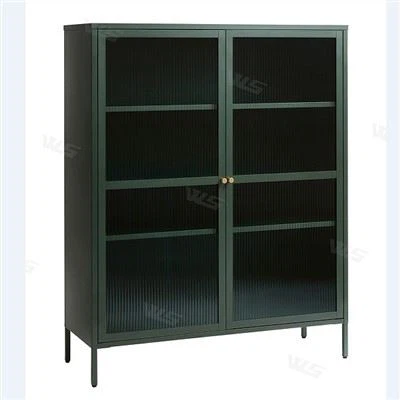


A metal cabinet is a piece of furniture designed for storing various items, typically made from materials such as steel, aluminum, or other alloys. These cabinets are valued for their durability, strength, and resistance to damage from environmental factors like moisture, pests, and fire. Metal cabinets come in various sizes and styles, ranging from small lockers to large industrial storage units. They often feature shelves that can be adjusted to accommodate different-sized items and may include features like doors with locks for security, ventilation slots for air circulation, and anti-slip surfaces on shelves. Metal cabinets are commonly used in offices, workshops, laboratories, and industrial settings due to their ability to protect contents and withstand harsh conditions. They can also be found in residential applications where durability and security are important, such as in garages or utility rooms.
Benefits of Metal Cabinet
Durability and strength: Metal is a robust material that provides excellent protection against physical impact, making metal cabinets highly resistant to dents, scratches, and deformation. This makes them suitable for storing heavy items and withstanding the rigors of daily use.
Longevity: Metal cabinets have a longer lifespan compared to those made from wood or plastic. With proper maintenance, they can last for decades without significant wear or loss of structural integrity.
Fire resistance: Metal is non-combustible, which means metal cabinets offer better fire resistance than cabinets made from flammable materials. This is crucial in environments where safety is paramount, such as laboratories or areas with hazardous materials.
Security: Many metal cabinets come with locking mechanisms, providing a secure storage solution for confidential documents, valuables, or sensitive equipment. This level of security is not easily matched by cabinets made from other materials.
Moisture resistance: Metal is less susceptible to warping, swelling, or rotting due to exposure to moisture. This makes metal cabinets ideal for environments with high humidity levels or where spills and leaks are common.
Versatility: Metal cabinets are available in a wide range of designs, finishes, and sizes, allowing them to adapt to various aesthetic preferences and functional requirements. They can also be easily customized or modified to suit specific needs.
Easy to clean: The smooth surfaces of metal cabinets make them easy to clean and maintain. Dust and debris can be wiped off with a damp cloth, and they do not harbor allergens or bacteria as wooden cabinets might.
Environmentally friendly: Metal is a recyclable material, which means that metal cabinets can be repurposed or recycled at the end of their useful life, reducing the environmental impact compared to disposable alternatives.
Stackability and configurability: Some metal cabinets are designed to be stackable or can be combined with other units to create larger storage systems. This flexibility allows for efficient space utilization and scalability according to changing storage needs.
Cost-effectiveness: Although metal cabinets may have a higher upfront cost, their durability and long lifespan make them a cost-effective investment over time. They require less frequent replacement and can withstand harsher conditions without needing repairs.
Types of Metal Cabinet
Steel cabinets: Often used in offices and industrial settings, steel cabinets are durable, secure, and can be powder-coated for corrosion resistance. They come in many designs, including lateral files, pedestal files, and banker's boxes.
Aluminum cabinets: Lighter than steel but still strong, aluminum cabinets are resistant to rust and corrosion. They're popular for outdoor use, in marine environments, and in places where weight is a concern, such as in vehicles or mobile units.
Stainless steel cabinets: Known for their exceptional resistance to rust and staining, stainless steel cabinets are ideal for harsh environments like kitchens, laboratories, and food processing facilities.
Industrial lockers: Designed for personal storage in workplaces, schools, gyms, and other institutions, industrial lockers are usually made from steel and come with locks for security. They vary in size and configuration.
Tool cabinets and tool chests: These are specifically designed for storing tools and hardware. They often have drawers that slide out smoothly and may include organizers for smaller items.
Server racks: Used in data centers and IT environments, server racks are designed to house servers, networking equipment, and other electronic devices. They come in standard sizes to accommodate various rack-mounted equipment.
Wall mounted cabinets: These are designed to be attached to walls and save floor space. They can be used for storing a variety of items and are commonly found in offices and workshops.
Mobile cabinets: Equipped with wheels, these cabinets are portable and can be moved from one location to another easily. They are useful in environments where flexibility is needed.
Security cabinets: These are reinforced metal cabinets with advanced locking systems, such as electronic keypads or biometric scanners. They are used to store valuable or sensitive items that require a high level of security.
Laboratory cabinets: Designed to meet the specific needs of laboratory environments, these cabinets often include features like chemical-resistant coatings, adjustable shelves, and safety locks.
Vehicle cabinets: Made to fit inside trucks, vans, and other vehicles, these cabinets are designed to be durable and to maximize storage space within the confines of a vehicle.
Application of Metal Cabinet
Filing cabinets: For organizing and securing paper documents, files, and office supplies.
Lateral files: Large cabinets with sliding drawers that maximize space efficiency.
Credenzas: Desk-like storage units with locking drawers for confidential materials.
Tool cabinets: Secure storage for hand and power tools, organized with drawer dividers.
Parts bins: Small compartments for storing small parts, fasteners, and hardware.
Shelving systems: Heavy-duty shelves for storing bulk items and inventory.
Hazardous material storage: Cabinets designed to safely store chemicals and hazardous substances, often with specialized ventilation and locking mechanisms.
Medical cabinets: Secure storage for medical supplies, medications, and patient records.
Laboratory cabinets: Durable storage with safety features for storing glassware, chemicals, and biological samples.
Kitchen cabinets: Stainless steel cabinets resistant to heat and moisture, commonly found in professional kitchens.
Refrigerated and freezer cabinets: Insulated and temperature-controlled for storing perishable goods.
Display cases: Secure yet visible storage for displaying merchandise.
Cash register cabinets: Lockable storage for cash, receipts, and point-of-sale equipment.
Workshop cabinets: Durable storage for auto tools and equipment, often with built-in workbenches.
Vehicle cabinets: Mobile or stationary storage solutions designed to fit in service vehicles.
Lockers: Personal storage for students and staff, available in various sizes and configurations.
Supply storage: For storing educational materials, science equipment, and classroom resources.
Garage cabinets: For storing gardening tools, sports equipment, and automotive accessories.
Utility cabinets: In laundry rooms or basements, for storing cleaning supplies and household tools.
Server racks: Rack-mounted cabinets for housing servers, networking equipment, and related hardware.
Equipment cabinets: For storing backup power supplies, UPS systems, and other critical IT infrastructure.
Components of Metal Cabinet



Carcass (body): This is the main framework of the cabinet, consisting of vertical panels (sides) and horizontal panels (top, bottom, and back). It provides the basic shape and support for the cabinet.
Doors: Attached to the front of the carcass, doors provide access to the contents of the cabinet. They can be single or double and may include windows if visibility is required.
Drawers (if applicable): Found in certain types of metal cabinets, drawers slide out on tracks or rollers and are used for storing smaller items. They often include internal organizers or partitions.
Shelves: Installed inside the cabinet to hold and organize items. Shelves can be fixed or adjustable to accommodate different heights of stored objects.
Frame: A supporting structure that holds the doors and sometimes the shelves. The frame can be internal or external and is typically made from stronger metal than the carcass panels.
Hardware: This includes hinges, handles, knobs, latches, locks, slides (for drawers), and other fittings that allow for the operation and security of the cabinet.
Finish: The protective and decorative layer applied to the metal surface. Finishes can include paint, powder coating, plating (such as chrome or nickel), or vinyl wrapping. They protect the metal from corrosion and wear.
Seals and gaskets: Seals around doors and drawers prevent dust, moisture, and other contaminants from entering the cabinet. Gaskets are especially important in environments where maintaining a sterile or controlled atmosphere is necessary.
Fasteners: Screws, bolts, rivets, and other fastening elements are used to assemble the cabinet components securely.
Corner guards and edges: These are protective features that cover sharp edges and corners to prevent injury and damage to the cabinet itself.
Levelers and casters (if applicable): Levelers are adjustable feet that allow the cabinet to be balanced on uneven surfaces. Casters are wheels that enable the cabinet to be moved easily.
Process of Metal Cabinet
Design: The first step is creating a detailed design that includes dimensions, material specifications, and any special features like ventilation or locking mechanisms. Computer-aided design (CAD) software is often used to draft plans and ensure precision.
Material selection: Based on the design requirements, suitable metals are chosen. Common materials include steel, aluminum, and stainless steel. The choice depends on factors like strength, weight, corrosion resistance, and cost.t patents, and it is well-known in the industry.
Cutting: Sheets of metal are cut into the required shapes and sizes using various methods such as laser cutting, plasma cutting, or shearing. This is done according to the design blueprints.
Forming: The cut metal pieces are then bent or formed into the desired shapes. This can be achieved through processes like pressing, rolling, or stamping.
Punching and notching: Holes for handles, locks, hinges, and ventilation are punched or notched into the metal sheets. This is usually done with a punch press or a laser machine.
Welding: If needed, the various metal parts are welded together to form the cabinet's carcass and other structural components. Welding methods might include MIG, TIG, or spot welding.
Machining: Additional machining processes might be required to create precise openings or to refine edges and surfaces.
Deburring and finishing: After welding and machining, the metal surfaces are deburred to remove any sharp edges or burrs. The next steps involve applying finishes such as painting, powder coating, or electroplating to protect the metal from corrosion and give it an aesthetically pleasing appearance.
Assembly: The prepared metal parts, including shelves, doors, and hardware, are assembled. Hinges and locks are installed, and any moving parts like drawers are fitted with slides.
Quality control: Each cabinet undergoes a thorough inspection to ensure it meets the specified quality standards. This includes checking for structural integrity, finish quality, and proper functioning of all hardware.
Packaging and shipping: Once approved, the cabinets are packaged for shipping. This often involves wrapping in protective materials and boxing to prevent damage during transit.
How to Maintain Metal Cabinet
Regular cleaning: Wipe down the cabinet surfaces regularly with a soft cloth and mild detergent solution. For stubborn dirt or grime, use a non-abrasive cleaner specifically designed for metal surfaces. Avoid harsh chemicals that could damage the finish.
Polishing: Depending on the type of finish, polish the cabinet periodically to restore luster and protect the metal. Use a microfiber cloth and a metal polish or wax.
Rust prevention: Inspect the cabinet for rust, especially in areas exposed to moisture or humidity. Treat small spots of rust promptly with a rust converter or appropriate rust remover, then repaint or touch up with a rust-inhibitive paint.
Lubrication: Keep moving parts like hinges and drawer slides well-lubricated with a silicone spray or light oil. This reduces friction, prevents noise, and prolongs the life of the moving components.
Avoid moisture: Keep the cabinet dry to prevent condensation, which can lead to rust and corrosion. Use dehumidifiers or air conditioning if necessary in damp environments.
Protective covers: In environments where the cabinet may be exposed to dust, debris, or chemical spills, consider using protective covers when not in use.
Avoid scratches and dents: Handle the cabinet carefully to avoid scratching or denting the surfaces. When moving heavy items, use padding to protect the edges and corners.
Check hardware: Regularly inspect screws, bolts, and other fasteners to ensure they are tight and secure. Replace or tighten loose components to prevent accidental opening or damage.
Proper storage: Store items inside the cabinet in a way that prevents overloading or tipping, which could cause structural damage or injury.
Environmental considerations: Protect the cabinet from extreme temperatures, direct sunlight, and corrosive substances that could compromise its integrity and finish.
How to Choose Metal Cabinet
Purpose and application
Determine the primary use of the cabinet. Industrial settings will require different features compared to office or home use. Consider what items will be stored, how often access is needed, and whether there are any security requirements.
Gauge
The thickness of the metal is measured in gauges, with lower numbers indicating thicker materials. Thicker gauge metal provides greater strength but may be more expensive.
Material
Different metals offer varying levels of strength, corrosion resistance, and appearance. Steel is common for its durability and cost-effectiveness, while aluminum is lighter and resists corrosion. Stainless steel is ideal for environments with high humidity or exposure to chemicals.
Finish
The finish affects both the look and protection of the cabinet. Powder coating is durable and resists scratches, while painted finishes may chip over time. PVD (Physical Vapor Deposition) coatings offer a high-quality, long-lasting finish.
Customization
Consider whether you need custom features such as adjustable shelves, ventilation slots, perforated doors for airflow, or specialized mounting options.
Size and configuration
Measure the space where the cabinet will be placed to ensure it fits properly. Decide on the desired height, width, and depth, as well as the number of doors and drawers.
Budget
Set a budget that accounts for the quality, features, and size of the cabinet. Remember that higher-priced options may offer better quality and longevity.
Brand reputation
Research manufacturers to find those known for producing high-quality metal products. Read reviews and check warranties to gauge reliability and after-sales support.
Security features
If security is a concern, look for cabinets with lockable doors, reinforced panels, or additional security hardware such as hasps and padlocks.
Durability
Assess the expected wear and tear the cabinet will face. Look for welded seams, reinforced corners, and smooth edges to resist damage.
Safety compliance
Ensure the cabinet complies with relevant safety standards and regulations, particularly if used in industrial settings.
Installation
Consider the installation process, whether it requires professional assembly or if it comes pre-assembled for easy setup.
How to Install Metal Cabinet
Installing a metal cabinet typically involves the following steps:
Preparation: Clear the area where the cabinet will be installed. Ensure the floor is level and that there is enough space for the cabinet to fit without obstruction.
Inspection: Check all parts of the cabinet for damage and ensure that all hardware (screws, bolts, hinges, etc.) is included and undamaged.
Assembly (if necessary): Follow the manufacturer's instructions to assemble the cabinet if it arrives in pieces. This usually involves attaching shelves, doors, and other components.
Marking: Place the cabinet in its intended location and mark the wall at the top and bottom where the mounting brackets or legs will attach. Use a level to ensure the marks are straight.
Mounting: Attach the mounting brackets or legs to the cabinet according to the instructions. Some cabinets have pre-drilled holes for this purpose.
Wall anchoring: If the cabinet is to be secured to the wall, drill pilot holes into the marked spots on the wall, and insert anchors (if needed) according to the type of wall surface (drywall, concrete, etc.).
Securing the cabinet: Align the cabinet with the wall anchors and attach it to the wall using screws or bolts. Ensure the cabinet is level and secure by wiggling it gently after installation.
Leveling: If the cabinet isn’t perfectly level, use shims under the legs or feet to adjust it. Check again with a level to confirm the cabinet is now level.
Final check: Once the cabinet is securely attached to the wall, double-check all connections to ensure everything is tightened and no parts are loose.
Adjustments: If the cabinet has adjustable shelves, install them according to your storage needs. Most shelves will have clips or brackets that slide into pre-drilled slots.
Door installation: If the cabinet doors were removed for assembly, reinstall them now, making sure they open and close smoothly and are properly aligned.
Sealant application: Apply a bead of silicone caulk around the perimeter where the cabinet meets the wall to prevent water or debris from entering.
Clean up: Wipe down the cabinet with a damp cloth to remove any dust or debris accumulated during installation.
Inspection: Do a final inspection to ensure that all parts are correctly assembled, the cabinet is stable, and all doors and drawers operate as intended.
Influence Factors of Metal Cabinet Design
The design of metal cabinets is influenced by a variety of factors that must be carefully considered to create a product that is functional, aesthetically pleasing, and suitable for its intended application. Some of the key influencing factors include:
Material selection
The choice of metal material significantly impacts the cabinet's properties, including strength, weight, corrosion resistance, and cost. Common materials include carbon steel, stainless steel, aluminum, and galvanized steel. Each material offers distinct advantages and is selected based on the required durability, environmental conditions, and budget constraints.
Structural integrity
The design must ensure that the cabinet can support the weight of its contents and withstand any external forces it may encounter during use, transportation, and installation. This includes the selection of appropriate gauge thickness, reinforcement in critical areas, and the integration of load-bearing elements.
Surface finish
The finish not only provides aesthetic appeal but also protects the metal from environmental damage. Finishes may include powder coating, paint, plating, anodizing, or a combination of these processes. The choice of finish depends on the desired look, corrosion resistance, and the environment in which the cabinet will be used.
Accessibility and ease of use
The design should facilitate easy access to the contents of the cabinet. This involves considerations of door and drawer design, handle placement, shelf height, and the overall ergonomics of the cabinet. Adjustable shelves and compartments can enhance usability by allowing users to customize the interior layout to their needs.
Security features
For applications requiring secure storage, the cabinet design must include locking mechanisms, robust hinges, and potentially tamper-resistant fasteners. The level of security required will dictate the complexity and strength of these features.
Environmental considerations
Design must take into account the operating environment, including temperature extremes, humidity, exposure to chemicals, and potential for physical impact. Materials and finishes should be selected to withstand these conditions without degradation.
Regulatory compliance
Cabinet design must adhere to relevant industry standards and regulations, such as those related to safety (e.g., OSHA), fire resistance (NFPA), and material handling (ANSI). Compliance ensures the cabinet meets legal requirements and promotes safe use.
Cost constraints
Budgetary limitations play a significant role in the design process. Material costs, manufacturing processes, and the complexity of the design all contribute to the overall cost of the cabinet. Cost-effective solutions are often sought without compromising on the necessary performance and quality characteristics.
Aesthetics
The appearance of the cabinet, including its shape, color, and finish, is important, especially for cabinets used in public or visible spaces. Aesthetics can influence user perception and satisfaction and may be a determining factor in the selection of a cabinet.
Sustainability
There is increasing demand for sustainable design practices, which includes the use of recyclable materials, energy-efficient production methods, and the ability to disassemble the cabinet for future recycling or repurposing.
Manufacturing processes
The capabilities of the manufacturing processes available will influence the design of the cabinet. Designers must consider the ease of fabrication, assembly, finishing, and packaging when creating their designs.
Our Factory
Luoyang Demei Co., Ltd is a metal furniture manufacturer established in 1996, engaged in OEM&ODM full customization service.Since its establishment, it has owned 200+ professionals, 50000㎡ factory areas, 80+Exporting countries, 200+Containers per month, and 30000m2 production workshops.

Our Certificate

FAQ
Q: What are metal cabinets made of?
Q: What are the benefits of using metal cabinets?
Q: How do I choose the right metal cabinet for my needs?
Q: How much do metal cabinets cost?
Q: Are metal cabinets difficult to assemble?
Q: How do I care for and maintain my metal cabinet?
Q: Can metal cabinets be painted or refinished?
Q: How do I secure my metal cabinet?
Q: Can metal cabinets be used outdoors?
Q: What types of metal cabinets are available?
Q: How do I measure for a metal cabinet?
Q: Can metal cabinets be customized?
Q: How long do metal cabinets last?
Q: Are metal cabinets Environmental Protection?
Q: How do I choose the right finish for my metal cabinet?
Q: Can metal cabinets be used in industrial settings?
Q: How do I prevent rust on my metal cabinet?
Q: Can metal cabinets be stacked or combined?
Q: How do I choose the right lock for my metal cabinet?
Q: How do I dispose of an old metal cabinet?
We're well-known as one of the leading metal cabinet manufacturers and suppliers in China. Please rest assured to wholesale high quality metal cabinet at competitive price from our factory. For customized service, contact us now.
Living Room Steel Cabinet, Glass Sideboard Cabinet, TV Stands with Drawers