


Shoe Cabinet
Luoyang Demei Co., Ltd is a metal furniture manufacturer established in 1996, engaged in OEM&ODM full customization service.Since its establishment, it has owned 200+ professionals, 50000㎡ factory areas, 80+Exporting countries, 200+Containers per month, and 30000m2 production workshops.
Luoyang Demei Furniture Co., Ltd integrates development, design, manufacture, quality inspection, sales and after-sales service. Our main products are metal home and office furniture such as wardrobes, sideboards, bedside tables, TV cabinets, display cabinets, storage racks, filing cabinets, safes, office cabinets, gym lockers and school desks and chairs.
Why Choose Us?
High quality
Our products are manufactured or executed to very high standards, using the finest materials and manufacturing processes.
Competitive Price
We offering a higher-quality product or service at an equivalent price. As a result we have a growing and loyal customer base.
Global shipping
Our products support global shipping and the logistics system is complete, so our customers are all over the world.
Rich experience
Our company has many years of production work experience. The concept of customer-oriented and win-win cooperation makes the company more mature and stronger.
After-sale service
Professional and thoughtful after -sales team, let you worry about us after -sales Intimate service, strong after -sales team support.
Advanced equipment
A machine, tool or instrument designed with advanced technology and functionality to perform highly specific tasks with greater precision, efficiency and reliability.


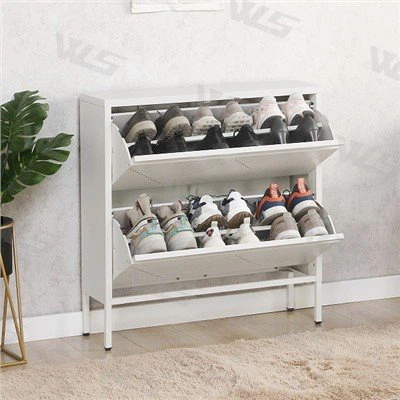
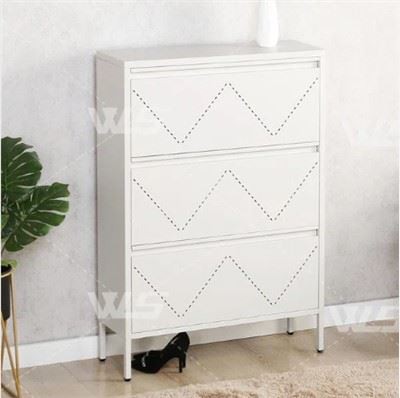
What is Shoe Cabinet?
A shoe rack is a furniture which is often found by the door mat in the entryway of houses, and serves a function to keep shoes organized. Often it is placed near a hat shelf, a hatstand, wardrobe rail, or hook rack where clothes for outdoor use can be hung. Some shoe racks also serve as a bench where persons may sit while taking on their shoes.
Benefits of Shoe Cabinet
Organization
A shoe cabinet keeps shoes neatly arranged, reducing clutter in entryways, closets, or other areas where shoes are typically stored. This organized approach makes it easier to find and select shoes, streamlining the process of getting dressed.
Space conservation
By utilizing vertical space, shoe cabinets help to maximize storage capacity in limited areas. This is particularly advantageous in small homes or apartments where space is at a premium.
Protection
Shoes stored in a cabinet are less likely to become dirty or damaged. Cabinets provide a barrier against dust and debris, helping to maintain the cleanliness and longevity of footwear.
Odor control
Many shoe cabinets are designed with ventilation in mind, which helps to reduce odors associated with sweaty or damp shoes. This is especially beneficial in enclosed spaces where shoes might otherwise contribute to unpleasant smells.
Aesthetic appeal
Shoe cabinets come in a variety of styles and finishes, allowing them to blend seamlessly with interior decor. A well-designed shoe cabinet can enhance the visual appeal of an entranceway or room.
Convenience
Having a designated place for shoes makes it easier for household members and guests to store their footwear upon entering a home. This can help maintain cleaner floors and carpets, and can encourage better organization habits.
Efficiency
In commercial settings, such as hotels or retail environments, shoe cabinets can improve operational efficiency. They provide a quick and convenient way for guests or customers to store their shoes, ensuring a tidy and professional appearance.
Customization
Shoe cabinets can often be customized to fit specific spatial requirements or to accommodate unique shoe collections. Adjustable shelves and compartments allow for flexible storage options.
Security
Some shoe cabinets feature locks or secure storage, which can be important for protecting valuable or collectible footwear from theft or damage.
Sustainability
When made from eco-friendly materials and constructed with sustainability in mind, shoe cabinets can contribute to a greener living environment. They can be part of a broader effort to reduce environmental impact and promote responsible consumption.
Types of Shoe Cabinet
Freestanding shoe cabinet: These standalone units can be placed anywhere there's sufficient floor space. They come in various heights and widths and often have doors or open shelves.
Built-in shoe cabinet: Designed to be part of a wall or closet system, built-in cabinets offer a seamless look and can be customized to fit the exact dimensions of the space.
Corner shoe cabinet: Specifically designed to fit into corner spaces where traditional cabinets might not fit, these units make use of often neglected areas.
Shoe rack: A simpler form of shoe storage, racks can be freestanding or wall-mounted and typically consist of a series of shelves or bars that hold shoes in place.
Rotating shoe cabinet:Also known as a shoe tree or lazy Susan, this type of cabinet allows for easy access to all shoes by rotating on a central axis.
Tower shoe cabinet: Tall and narrow, tower cabinets save space by reaching upwards rather than outward. They are ideal for smaller rooms or hallways.
Bench shoe cabinet: Combining seating with storage, bench cabinets feature a flat top for sitting while changing shoes, with storage space underneath for shoes.
Hanging shoe organizer: Typically made of fabric or plastic, hanging organizers attach to the back of a closet door or wall and provide multiple pockets for storing shoes.
Cubby shoe cabinet: Featuring multiple individual cubbies, this type of cabinet is great for keeping pairs of shoes separated and organized.
Ottoman shoe cabinet:An ottoman with a removable or hinged top that opens up to reveal storage space inside for shoes.
Sliding door shoe cabinet: Equipped with sliding doors, this type of cabinet is ideal for saving space, as the doors don't require additional room to open.
Application of Shoe Cabinet
Apartment buildings, condominiums, and townhouses may have communal or private shoe storage areas in the entrances or basements, encouraging residents to keep outdoor footwear contained and out of shared living spaces.
Residential spaces
In homes, shoe cabinets are most commonly found in entryways or mudrooms, providing a convenient place for family members and guests to store their footwear upon arrival. They can also be used in bedroom closets, laundry rooms, or even garages to organize work or sports shoes.
Commercial spaces
In retail environments such as shoe stores, shoe cabinets or display units are used to showcase products attractively while keeping them organized and accessible to customers. In hotels and spas, shoe cabinets might be provided in locker rooms or guest rooms for storing personal footwear.
Public facilities
Locker rooms in gyms, swimming pools, and sports centers often have shoe storage facilities to prevent the spread of dirt and bacteria. Similarly, shoe cabinets might be found in schools or universities, particularly in dormitories or changing rooms for physical education classes.
Office environments
While less common, shoe cabinets can be useful in office buildings with changing rooms or Lounge areas, offering employees a place to store their outdoor shoes and switch to indoor footwear.
Healthcare facilities
Hospitals and clinics may use shoe cabinets in staff locker rooms to maintain cleanliness and hygiene standards. Shoe storage solutions in these settings need to be easy to clean and disinfect.
Industrial settings
In warehouses or factories, shoe cabinets can be part of employee change areas, providing a space for workers to store personal items including footwear that is suitable for the work environment.
Components of Shoe Cabinet




Doors: Many shoe cabinets have one or more doors that can be solid or made of glass to showcase the contents. Doors can swing open or slide side-to-side.
Shelves: These are the primary storage components where shoes are placed. Shelves can be fixed or adjustable to accommodate different shoe sizes and heights.
Drawers: Some shoe cabinets include drawers for organizing smaller items like socks, insoles, or Insoles。
Cubbies: Cubby-style shoe cabinets have individual compartments for each pair of shoes, which helps to keep them organized and easily accessible.
Bench: A built-in bench provides seating for changing shoes, making it a practical addition to entryway shoe cabinets.
Hangers: In some designs, hooks or racks are included for hanging shoes by the heel, which is useful for boots or high heels.
Ventilation holes: To prevent odors and moisture buildup, many shoe cabinets have small holes or slats that allow air to circulate.
Locks: For added security, some shoe cabinets may include locks, which can be particularly useful in public or multi-tenant settings.
Handles or knobs: These are used to open doors or drawers. They can be simple or decorative, matching the overall design of the cabinet.
Base: The bottom part of the shoe cabinet that rests on the floor, which can be plain or have decorative features.
Top surface: The flat surface on top of the cabinet that can be used as additional space for placing keys, wallets, or other small items.
Interior linings: Some shoe cabinets have an inner lining made of materials like cedar wood, which can help repel insects and absorb odors.
Adjustable leveling feet: These allow the cabinet to be leveled on uneven surfaces, ensuring stability.
Material of Shoe Cabinet
Solid wood
Known for its strength and natural beauty, solid wood is a popular choice for high-quality shoe cabinets. Common woods include oak, maple, walnut, and cherry. Solid wood can be finished with stains, varnishes, or paints to enhance its appearance and protect it from wear.
Plywood
Made by gluing together thin layers of wood veneer, plywood is lighter and more cost-effective than solid wood. It's also less prone to warping and cracking. Plywood is often used as the internal structure of wooden shoe cabinets, covered with a veneer or a laminate to give a finished appearance.
Particleboard
Composed of wood chips, sawmill shavings, or even sawdust bonded with adhesives under heat and pressure, particleboard is the least expensive option among wood-based materials. However, it's not as strong as plywood or MDF and is susceptible to water damage.
Metal
Metal shoe cabinets offer a modern, industrial look. They're durable, long-lasting, and often more resistant to dents and scratches than wooden alternatives. Materials like steel or aluminum are commonly used, and they can be painted or powder-coated for corrosion resistance and aesthetic appeal.
Plastic
Plastic shoe cabinets are lightweight, inexpensive, and easy to clean. They come in various colors and styles, making them a popular choice for temporary or budget-conscious options. However, they may not be as sturdy as wooden or metal cabinets.
Glass
Glass elements can be used in shoe cabinet doors for a transparent or decorative effect. Tempered glass is often used for safety reasons, as it is stronger and less likely to shatter than regular glass.
Veneers
Thin slices of wood applied to the surface of another material, veneers can give the appearance of solid wood at a lower cost. They are used on plywood, MDF, or particleboard to create an attractive finish.
Global Shipping
These are plastic sheets bonded to the surface of a core material (often MDF or particleboard). Laminates come in a wide range of patterns and colors and are highly resistant to staining and scratching.
Process of Shoe Cabinet
Conceptualization: Engineers and designers work together to define the purpose of the shoe cabinet, considering the user's needs, available space, and aesthetic preferences. They sketch initial designs and determine the cabinet's size, number of shelves, doors, and other features.
Detailed design: Using computer-aided design (CAD) software, engineers refine the conceptual design into precise technical drawings. These drawings include all dimensions, tolerances, and material specifications necessary for manufacturing.
Material selection: Based on the design requirements and cost considerations, engineers select appropriate materials for the cabinet's frame, shelves, doors, and other components. They choose materials that will provide the desired durability, strength, and appearance.
Fabrication of components: Depending on the selected materials, various manufacturing processes are employed to create the cabinet components. For wood, this could involve cutting, sanding, and shaping boards using machinery like saws, routers, and sanders. For metals, processes such as cutting, bending, and welding might be used. Plastics could be injection molded or cut from sheets.
Surface treatment: Components are treated to improve their appearance and durability. Wooden parts might be stained, varnished, or painted. Metal parts could be powder-coated or painted. Plastic components might be polished or coated with protective finishes.
Assembly: The cabinet is assembled by fitting together the various components, which may require screws, nails, adhesives, or fastening hardware. Precision is crucial to ensure the cabinet's stability and functionality.
Quality control: Throughout the manufacturing process, quality control measures are in place to ensure the product meets the required standards. This includes checking dimensions, finishes, and structural integrity.
Packaging and distribution: Once the shoe cabinet passes quality control, it is carefully packed to protect it during transportation. Packaging also includes instructions for assembly and care. The cabinet is then shipped to retailers or directly to consumers.
How to Maintain Shoe Cabinet
Regular dusting: Use a soft cloth or a microfiber duster to remove dust from the cabinet's exterior regularly. For hard-to-reach corners and crevices, you can use a long-handled duster or a small brush.
Cleaning the surface: If the shoe cabinet has a wooden or laminate surface, wipe it down with a damp cloth and dry it immediately. For tougher stains, use a mild soap solution and avoid abrasive cleaners that can scratch the surface.
Polishing wood: Occasionally, apply furniture polish to wooden surfaces according to the manufacturer's instructions to keep the wood looking new and to protect it from scratches and spills.
Check for moisture: Ensure that the area around the shoe cabinet is well-ventilated and free from excessive moisture, as this can warp wood and damage finishes. If the cabinet gets wet, wipe it dry promptly.
Organize shoes: Keep shoes neatly organized inside the cabinet to prevent overcrowding, which can lead to damage to the shelves or doors. Use shoe racks or organizers if necessary to maximize space and protect the cabinet's interior.
Inspect for damage: Regularly inspect the cabinet for any signs of damage, such as loose screws, peeling paint, or warped shelves. Tighten screws as needed and repair any damage promptly to prevent further deterioration.
Protect from heat sources: Keep the shoe cabinet away from heaters and other sources of direct heat, which can cause the material to dry out, crack, or warp.
Prevent scratches: When placing items on top of the cabinet, use coasters or pads to prevent scratches. Be mindful not to drag heavy objects across the surface, as this can cause scuffs and gouges.
Follow care instructions: Always refer to the manufacturer's care and maintenance instructions for specific advice on how to clean and care for your particular type of shoe cabinet.
Avoid direct sunlight: Prolonged exposure to direct sunlight can fade the color of the cabinet and weaken the material over time. If possible, position the cabinet away from windows or use curtains or blinds to filter out harsh sunlight.
How to Choose Shoe Cabinet
Measure the area where you plan to place the shoe cabinet to ensure it fits comfortably without obstructing movement or taking up too much space. Consider the height, width, and depth to find the right proportions for your room.
Determine how much storage you need based on the number of shoes you own and whether you want to store additional items like boots or outdoor gear. Look for cabinets with adjustable shelves or multiple compartments for versatility.
Choose a material that complements your home's decor and aligns with your lifestyle. Wood is classic and durable, metal offers a modern look, while plastic or bamboo might be more budget-friendly options. Examine the construction for solid joints and smooth edges.
Select a style that matches your personal taste and the overall theme of your living space. Options range from traditional to contemporary designs, and some cabinets feature unique details like glass doors or decorative accents.
Consider the durability of the materials and the cabinet's ability to withstand daily use. Check for features like non-slip mats on shelves, easy-to-open doors, and sturdy handles or knobs.
If you plan to store shoes that tend to get smelly, look for cabinets with good ventilation to prevent odors from building up inside. Some models have perforated shelves or open designs to allow air circulation.
Unless you're hiring someone to install it for you, opt for a shoe cabinet that comes with clear instructions and is relatively easy to assemble. Some models require minimal tools and can be put together quickly.
Consider any additional features that might be useful, such as lockable doors for security, wheels for portability, or a bench or seat incorporated into the design for convenience.
Set a budget before shopping and stick to it. While higher-priced cabinets may offer better quality and more features, there are often affordable options that meet basic needs without sacrificing durability.
Research brands and read customer reviews to understand their reputation for quality and customer service. Well-known brands often provide better warranties and support.
Influence Factors of Shoe Cabinet Design
Functional requirements
The primary purpose of a shoe cabinet is to store shoes, but designers must also consider the various types of footwear (e.g., high heels, boots, sneakers) and accessories (e.g., belts, scarves). This leads to the inclusion of features like adjustable shelves, specialized compartments, and sometimes even climate control to preserve shoe quality.
Ergonomics
The design should be user-friendly, with easy access to all compartments. This may involve the use of angled shelves, pull-out drawers, and doors that open wide enough to allow for the removal and replacement of shoes without difficulty.
Cultural and regional variations
Designs may vary to accommodate cultural practices related to shoe storage and usage, such as removing shoes upon entering a home.
Customization options
Some manufacturers offer customizable shoe cabinets to cater to individual preferences and unique spatial requirements.
Space efficiency
Urban living spaces often have limited floor area, leading to the design of compact and space-saving shoe cabinets. This includes vertical storage solutions that maximize vertical space and sliding doors to save on clearance space.
Material selection
Durability, cost, weight, and ease of maintenance are key considerations. Materials such as solid wood, engineered wood, metal, plastic, or glass may be chosen based on their properties and how they fit into the intended use and environment.
Sustainability
Environmental considerations may influence the choice of materials and manufacturing processes. Eco-friendly options, like sustainably sourced wood or recyclable plastics, are increasingly popular.
Safety regulations
Design must adhere to safety standards, ensuring that the cabinet is stable and no pose a tipping hazard, especially if designed for children's rooms.
Aesthetic preferences
Designers take into account current trends in interior design and architecture. They may incorporate elements such as color schemes, textures, and finishes to complement the surrounding decor.
Technology integration
Some modern shoe cabinets may include built-in technology such as UV sanitizers, deodorizers, or smart features that allow remote monitoring or inventory management via mobile apps.
Manufacturing constraints
The capabilities and limitations of the production process, including available machinery and techniques, can dictate the complexity and design of the shoe cabinet.
Cost constraints
Budgetary limitations can affect material choices, design simplicity, and the addition of advanced features.
How Can I Prevent Odors in My Shoe Cabinet?
To prevent odors in your shoe cabinet, consider implementing the following strategies:
Regular cleaning: Keep the interior of the cabinet clean by regularly sweeping or vacuuming to remove dust and dirt. Wipe down the shelves with a damp cloth or use a mild detergent for deeper cleaning.
Ventilation: Ensure the cabinet has good airflow by leaving the doors slightly ajar when not in use. This allows fresh air to circulate and reduces humidity, which can contribute to odor development.
Deodorizing: Place natural deodorizers such as activated charcoal, baking soda, or cedar blocks inside the cabinet. These substances effectively absorb and neutralize odors.
Essential oils: Use cotton balls soaked in essential oils like lemon, tea tree, or peppermint and place them strategically inside the cabinet. The oils not only provide a pleasant fragrance but also have antibacterial properties that help combat odor-causing microbes.
Shoe inserts: Use cedar shoe trees or silica gel packets inside your shoes to help absorb moisture and reduce odors before placing them in the cabinet.
Frequent rotation: Rotate your shoes so that you're not repeatedly wearing the same pair day after day without giving them time to dry out completely.
Proper storage: Store shoes that are prone to developing odors, such as athletic shoes, in separate containers or bags before placing them in the cabinet.
Avoid direct sunlight: While sunlight can help kill bacteria, direct exposure can cause materials to break down and emit unpleasant smells. Store the shoe cabinet away from windows or use curtains to filter the light.
Washable liners: If the cabinet has removable shelves, use washable liners that can be taken out and cleaned to eliminate odors.
Professional cleaning: If despite your best efforts, the odors persist, it might be necessary to seek professional cleaning services that specialize in removing persistent odors from furniture.
Our Factory
Luoyang Demei Co., Ltd is a metal furniture manufacturer established in 1996, engaged in OEM&ODM full customization service.Since its establishment, it has owned 200+ professionals, 50000㎡ factory areas, 80+Exporting countries, 200+Containers per month, and 30000m2 production workshops.

Our Certificate

FAQ
Q: What is a shoe cabinet?
Q: What materials are commonly used to make shoe cabinets?
Q: How do I measure my space for a shoe cabinet?
Q: Can I customize a shoe cabinet to fit my specific needs?
Q: Are there any benefits to using a shoe cabinet with doors versus one with open shelves?
Q: How should I organize my shoes in a shoe cabinet?
Q: Can a shoe cabinet also serve as a seating area?
Q: How do I clean and maintain a shoe cabinet?
Q: Can a shoe cabinet be used outdoors?
Q: What are some tips for finding a durable shoe cabinet?
Q: How do I know if a shoe cabinet will fit through my door?
Q: What is the average lifespan of a shoe cabinet?
Q: What are some common misconceptions about shoe cabinets?
Q: How can I prevent odors in my shoe cabinet?
Q: Can a shoe cabinet be used in a small apartment or studio?
Q: What are some creative ways to display shoes in a shoe cabinet?
Q: How do I choose between a freestanding and built-in shoe cabinet?
Q: What should I consider when choosing a shoe cabinet for children's rooms?
Q: Are there any eco-friendly options available for shoe cabinets?
Q: Can a shoe cabinet be used in an office or commercial setting?
We're well-known as one of the leading shoe cabinet manufacturers and suppliers in China. Please rest assured to wholesale high quality shoe cabinet at competitive price from our factory. For customized service, contact us now.
Modern 3 Drawer Dresser, Black Metal Chest of Drawer, Modern 4 Drawer Chest