


Storage Rack
Your Leading Luoyang Demei Co., Ltd. Supplier
Luoyang Demei Co., Ltd is a metal furniture manufacturer established in 1996, engaged in OEM&ODM full customization service.Since its establishment, it has owned 200+ professionals, 50000㎡ factory areas, 80+Exporting countries, 200+Containers per month, and 30000m2 production workshops.
Luoyang Demei Furniture Co., Ltd integrates development, design, manufacture, quality inspection, sales and after-sales service. Our main products are metal home and office furniture such as wardrobes, sideboards, bedside tables, TV cabinets, display cabinets, storage racks, filing cabinets, safes, office cabinets, gym lockers and school desks and chairs.
Why Choose Us?
High quality
Our products are manufactured or executed to very high standards, using the finest materials and manufacturing processes.
Competitive Price
We offering a higher-quality product or service at an equivalent price. As a result we have a growing and loyal customer base.
Global shipping
Our products support global shipping and the logistics system is complete, so our customers are all over the world.
Rich experience
Our company has many years of production work experience. The concept of customer-oriented and win-win cooperation makes the company more mature and stronger.
After-sale service
Professional and thoughtful after -sales team, let you worry about us after -sales Intimate service, strong after -sales team support.
Advanced equipment
A machine, tool or instrument designed with advanced technology and functionality to perform highly specific tasks with greater precision, efficiency and reliability.
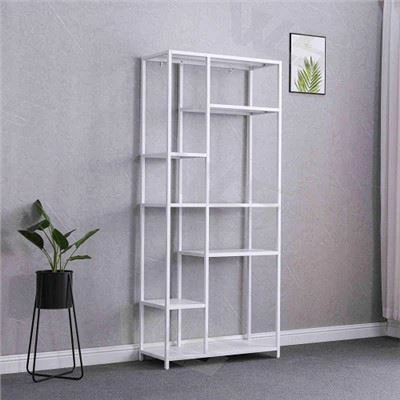

A storage rack is a type of shelving used to store materials and products efficiently within a warehouse or storage facility. It typically consists of metal frames with vertical columns supporting horizontal beams or shelves at various levels. Storage racks are designed to maximize vertical space, allowing for the storage of goods at height, thereby increasing the capacity of a storage area without necessarily expanding its footprint.
Benefits of Storage Rack
Space optimization: Storage racks allow for the effective utilization of vertical space, which can significantly increase storage capacity without requiring additional floor space.
Organization and accessibility: Goods can be organized systematically, making it easier to locate and retrieve items quickly. Selective pallet racks, for instance, offer direct access to each stored item.
Inventory management: With proper labeling and organization, storage racks facilitate better inventory control, enabling more accurate tracking of stock levels and reducing the likelihood of overstocking or stockouts.
Safety: Well-designed storage racks reduce the risk of accidents by keeping items off the floor, preventing potential tripping hazards. They also often include safety features like protective barriers and guardrails.
Efficiency: By streamlining the storage process, storage racks can improve the overall workflow within a facility. This can lead to increased productivity as employees spend less time searching for items and more time on value-adding activities.
Customizability: Storage racks come in various designs and specifications, allowing businesses to choose the best solution for their specific needs, whether it be for storing small parts, large equipment, or bulk items.
Scalability: As a business grows, storage racks can be expanded or reconfigured to accommodate changing storage requirements, providing a flexible solution that can adapt to evolving needs.
Cost savings: While there is an initial investment in purchasing and installing storage racks, the long-term benefits often justify the expense. Efficient use of space can lead to reduced rental costs, and improved organization and workflow can result in cost savings through increased productivity.
Protection of goods: Storing items on racks can protect them from damage due to contact with the floor or being crushed under heavier objects. Properly stored goods can maintain their quality and value longer.
Enhanced ergonomics: Storage racks can be designed to accommodate ergonomic principles, making it easier for workers to handle and move items, which can reduce strain and the risk of injury.
Types of Storage Rack
Drive-in racks
These racks are designed for high-density storage and utilize a Last-In, First-Out (LIFO) system. Pallets are loaded from one side and unloaded from the opposite end. Drive-In racks are suitable for homogeneous products that are not frequently rotated.
Drive-through racks
Similar to Drive-In racks but with access from both ends, allowing for a First-In, First-Out (FIFO) inventory rotation. This type of rack is beneficial for perishable goods or those that must be rotated regularly.
Pallet flow racks
These racks use gravity to move pallets along inclined rollers to the front of the rack, facilitating a FIFO inventory system. They are ideal for products that need to be moved quickly and have a short shelf life.
Push-back racks
Push-Back Racks consist of carts on inclined tracks that allow pallets to be pushed back into the rack. When a pallet is removed, the next pallet automatically slides forward. This system also uses a LIFO approach to inventory management.
Cantilever racks
Cantilever racks are designed for long, bulky, or awkwardly shaped items that do not require shelving. They have arms extending from a central column to support goods without obstruction.
Adjustable shelving racks
These racks have adjustable shelves to accommodate items of varying heights. They are commonly used for storing boxes, totes, or smaller goods that are manually picked.
Heavy-duty racks
Designed to support very heavy loads, these racks are constructed with reinforced beams and Columns to handle large capacities. They are often used for storing heavy machinery or materials.
Modular racks
Modular racks are designed to be easily assembled and reconfigured. They offer flexibility for changing storage needs and are often used in dynamic environments.
Selective pallet racks
These are versatile and widely used racks that allow for easy access to each individual pallet position from the aisle. They are ideal for facilities with a wide variety of products that require frequent access.
Deckover racks
These racks have a platform or deck that spans across multiple beam levels, providing a flat surface for stacking goods. They can be used for non-palletized items or to increase storage density.
Mobile racks
Mobile racks, or mobile shelving, are mounted on wheels and are moved along rails. They save space by eliminating the need for fixed aisles, as only one aisle is needed at any given time.
Toyota racks
Named after the Toyota Production System, these racks incorporate just-in-time (JIT) inventory principles. They are highly customizable and optimized for lean manufacturing environments.
Application of Storage Rack
Warehousing: Selective pallet racks are common in warehouses for storing pallets of goods, allowing for quick access to any item. Drive-in and drive-through racks are used for high-density storage of similar products. Pallet flow racks are employed for first-in, first-out (FIFO) inventory control in warehouses dealing with perishable goods.
Retail stores: Adjustable shelving racks are prevalent in retail stores for organizing and displaying products. They provide flexibility to adjust shelf heights to accommodate various product sizes and maximize space utilization.
Manufacturing plants: Heavy-duty racks are often found in manufacturing facilities to store raw materials, tools, and finished products. Cantilever racks are useful for storing long or bulky items like pipes, timber, and metal bars.
Distribution centers: Mobile racks and deckover racks are employed in distribution centers to maximize storage capacity and minimize the need for aisles. These racks are particularly beneficial when space is at a premium.
Healthcare facilities: Specialized storage racks are used in healthcare settings to store medical supplies, pharmaceuticals, and equipment. These racks are often designed to comply with strict regulations and ensure easy access to critical items.
Automotive industry: The automotive industry employs various storage racks for storing parts and components, including heavy-duty racks for engine parts and modular racks for smaller items like fasteners and tools.
Food and beverage industry: Pallet flow racks are commonly used in this sector for storing products that need to be rotated frequently, such as fresh produce or bottled beverages.
Construction sites: Cantilever racks are used on construction sites to store building materials like lumber, piping, and other long and heavy materials.
Agriculture: Agricultural suppliers and producers use storage racks to organize and store seeds, fertilizers, and farming equipment.
Home and garage storage: Homeowners may use adjustable shelving racks in their garages, basements, or attics to store tools, boxes, and seasonal items.
Library and archiving: Specialty racks designed for books, documents, and archival materials are used to preserve items while providing easy access for researchers and library patrons.
Aerospace and defense: High-precision and specialized storage racks are used to store sensitive equipment and parts that require careful handling and controlled environments.
Components of Storage Rack

Columns (upright frames): These are vertical structures that support the weight of the beams and the load placed on them. Columns are typically made from steel and are designed with channels or flanges to attach to the beams.
Beams (horizontal frames): Beams connect the columns and span the width of the bay to support the weight of the stored items. They are usually adjustable to accommodate different heights and depths of loads.
Decks (shelves): Decks or platforms are installed on the beams to create a flat surface for storing items. They can be made from wire mesh, wood, particle board, or steel plates.
Bracing: Horizontal and diagonal braces are used to stabilize the rack structure and prevent it from swaying or collapsing under the weight of the stored items.
Load bars: These horizontal rods are attached to the beams to secure the load on the rack, preventing it from shifting during handling.
Guide rails: Found in push-back and flow racks, guide rails direct the movement of pallets along the rack system.
Pallet support channels: These are channels or rails attached to the beams that support the pallets from below.
Column guards: These are protective devices installed around the base of the columns to prevent damage from carts, forklifts, or other equipment.
Anchors: Anchors bolt the storage rack to the floor to provide stability and prevent the rack from tipping over.
Fasteners: Bolts, nuts, and screws are used to connect all the components together, ensuring a secure and stable assembly.
Protective coatings: Powder coatings or paint are applied to the components to protect against rust and corrosion, which can occur due to exposure to the elements or frequent handling.
Accessories: Additional components like label holders, kickplates, and safety barriers can be added to improve the functionality and safety of the storage rack system.
Material of Storage Rack
Storage racks are predominantly constructed from steel, which offers a balance of strength, durability, and cost-effectiveness. Different grades of steel are used based on the required load-bearing capacities and environmental conditions. For instance, carbon steel is often used because it is strong and affordable, while stainless steel is chosen for environments requiring resistance to corrosion, such as food processing facilities or outdoor applications.
Additionally, storage racks may incorporate other materials for specific purposes:
A process where steel is coated with zinc to provide corrosion resistance, especially for outdoor applications or in harsh industrial environments.
Wire mesh decks
Wire mesh is lightweight yet strong enough to support various loads. It allows for air circulation, visibility, and drainage, making it suitable for cold storage and areas where cleanliness is important.
Rubber or polymer coatings
These are applied to certain components, like column guards and load bars, to absorb impacts, reduce noise, and prevent damage to stored items.
Powder coating
A finish applied electrostatically to the steel components, then cured under heat to create a protective layer that resists chipping, scratching, and fading.
Plywood or particle board shelves
These materials are used for lighter-duty storage applications where cost is a concern, but they may not be suitable for wet or humid environments.
Aluminum
Aluminum is used for its lightweight properties and resistance to corrosion. It is often seen in situations where weight is a critical factor, such as in mobile racks or racks mounted on walls.
Plastic components
Some accessories, such as dividers, labels, and protective coatings, might be made from plastic for cost savings and ease of installation.
Process of Storage Rack
Design specification: The first step is to determine the requirements for the storage rack system. This includes understanding the types of goods to be stored, their weights, dimensions, and how they will be handled (e.g., forklift, manual). Engineers will also consider the available space, accessibility, building codes, and any applicable safety regulations.
Engineering calculations: Based on the specification, engineers perform calculations to determine the appropriate dimensions, materials, and load-bearing capacities for the rack components. These calculations must comply with relevant engineering standards and safety guidelines.
Selection of materials: After the calculations, the materials needed for the racks are selected. Steel is commonly used due to its strength and versatility, but other materials might be chosen based on specific needs, such as aluminum for lightweight applications or plastics for certain accessories.
Manufacturing of components: The individual parts of the storage rack are manufactured using processes like cutting, bending, welding, and drilling. Quality control measures are implemented at this stage to ensure that each part meets the required specifications and tolerances.
Finishing process: Components are finished to protect them against corrosion and wear. This might involve galvanization, powder coating, painting, or applying a protective coating. The choice of finishing method depends on the intended environment and usage of the rack.
Assembly: The components are assembled into the complete storage rack system. This process may take place at the manufacturing facility or on-site, depending on the size and complexity of the project.
Quality inspection: Before the racks are shipped or installed, they undergo a thorough quality inspection to ensure they meet all design specifications and safety standards. This includes load testing to verify the rack's capacity.
Transportation: Once inspected and approved, the storage rack components are transported to the site where they will be installed.
Installation: The racks are assembled on-site by professionals who follow detailed layout plans. This involves leveling the base, securing the racks to the floor, and installing all the necessary components, such as beams, decks, and accessories.
Final inspection and certification: After installation, another round of inspections takes place to ensure that the racks have been installed correctly and are ready for use. This may include certification by a professional engineer or a third-party inspection agency, depending on local regulations.
Maintenance and inspection schedule: To ensure the longevity and safety of the storage rack system, a maintenance and inspection schedule should be established. Regular checks help identify any potential issues before they lead to accidents or structural failures.
How to Maintain Storage Rack
Conduct regular visual inspections to check for signs of damage, such as dents, cracks, rust, or bent frames. Inspect Welds for any signs of fatigue or failure. Pay special attention to areas that are subject to frequent impact, such as corners and columns.
Immediately address any damage found during inspections. Small dents and scratches can often be repaired on-site, but more severe damage may require professional assistance. Do not use damaged racks until they have been properly repaired.
Ensure that the racks are loaded correctly and within their designated weight limits. Avoid overloading and uneven distribution of weight, as this can lead to premature wear and failure.
Verify that the racks are securely anchored to the floor according to the manufacturer's recommendations and local building codes. Loose or missing anchors should be replaced to prevent tipping or collapse.
Protect the racks from environmental factors that could cause damage. For example, in Damp environments, consider using rust-inhibitors and ensure adequate ventilation. In areas with high traffic, implement strategies to minimize collisions with racks.
Keep the racks clean and free from debris that could hinder their function or contribute to deterioration. Use appropriate cleaning materials that won’t corrode or damage the rack surfaces.
If the racks have moving parts, such as wheels or bearings, ensure they are lubricated regularly to prevent excessive wear and smooth operation.
Replace worn or failing components, such as bolts, screws, or beams, promptly. Continued use with worn parts can compromise the integrity of the rack system.
Train personnel on proper storage practices and the importance of rack maintenance. Ensure they understand how to handle loads safely and recognize signs of rack damage.
Keep records of all inspections, repairs, and maintenance activities. Documentation helps track the history of the rack system and can be useful for identifying recurring issues or planning future maintenance schedules.
Stay informed about changes in industry standards and regulations related to storage racks. Adjust maintenance practices as necessary to comply with updated requirements.
How to Choose Storage Rack
Assessment of needs: Determine what you will be storing, including the size, weight, and nature of the items (e.g., fragile, heavy, bulky). Consider the frequency of access and whether you need selective access to each item or if bulk storage is sufficient.
Capacity requirements: Calculate the total weight and volume of the items to be stored. This will help you determine the load capacity and dimensions needed for the racks. Always choose racks with a higher load capacity than your heaviest expected load to ensure safety.
Space availability: Measure the area where the racks will be installed to ensure there's enough space for the rack system, including clearance for handling equipment like forklifts or pallet jacks.
Safety regulations: Familiarize yourself with local building codes and safety regulations that pertain to storage racks. Ensure that the racks you select comply with these standards and consider obtaining a professional assessment if necessary.
Material and durability: Choose the material that best suits your needs and budget while providing the necessary durability. Common materials include steel, which is strong and versatile, and plastic or wood for lighter-duty applications.
Additional features: Consider additional features that might enhance the functionality of your storage system, such as decking options, protective barriers, label holders, or integrated lighting systems.
Expandability: If you anticipate growth or changes in your storage needs, look for a modular rack system that can be easily expanded or reconfigured.
Quality: Purchase racks from reputable manufacturers with a reputation for quality and customer service. Check for warranties and after-sales support.
Cost: Consider the initial cost of the racks as well as the potential long-term costs associated with maintenance, repair, and replacement. Balance the cost with the benefits of a durable and functional storage system.
Rack design and configuration: Select a rack design that fits your storage needs. Options include selective pallet racks for easy access to all items, drive-in racks for high-density storage, flow racks for first-in, first-out (FIFO) inventory management, and many others.
Professional consultation: If you're unsure about the best type of rack for your needs, consult with a professional storage solutions provider or engineer who can offer expert advice tailored to your specific situation.
Influence Factors of Storage Rack Design
Material handling equipment: The type of forklifts, pallet jacks, or automated storage and retrieval systems (AS/RS) that will be used with the racks dictates the configuration and height of the rack system. Compatibility with handling equipment ensures safe and efficient operations.
Product characteristics: The size, shape, weight, and fragility of the items being stored affect rack selection and design. Heavier items require stronger racks with higher load capacities, while bulky or oddly shaped items may require custom rack solutions.
Load capacity: The maximum weight each beam and upright must support is determined by the load characteristics of the stored goods. Overloading can lead to structural failure and safety hazards.
Space utilization: The available floor space and desired storage density influence the layout and design of the rack system. Drive-in and push-back racks are designed for high-density storage, whereas selective racks provide easy access to individual items.
Accessibility and selectivity: The frequency of item retrieval affects the design. High selectivity is required for frequently accessed items, necessitating aisles and racks that accommodate easy picking.
Safety regulations: Local building codes, occupational health and safety standards, and fire regulations impose specific requirements on the design of storage racks, including load limits, aisle widths, and anchorages.
Sustainability: Environmental considerations may influence material choice and design. Recycled materials or designs that reduce energy consumption and waste can be selected to align with green initiatives.
Ergonomics: Rack design should consider ergonomics to minimize strain and injury when workers access stored items. This includes adjustable heights for picking shelves and clearance for operators.
Flexibility and expandability: Facilities may grow or change their storage needs over time, so racks are often designed to be adaptable or expandable to accommodate future requirements without significant modifications.
Durability and maintenance: The chosen materials and design should be resistant to corrosion, wear, and damage from environmental conditions and handling equipment. Low-maintenance designs are preferred to reduce downtime and costs.
Budget constraints: Cost is always a factor in design. A balance must be struck between initial investment and the long-term benefits of a robust, efficient storage system.
Technology integration: Modern racks may integrate with warehouse management systems (WMS) to improve inventory tracking, accuracy, and productivity.
Aesthetics: While often secondary to functional considerations, the appearance of racks can be important in certain environments, particularly in retail or showroom settings.
Our Factory
Luoyang Demei Co., Ltd is a metal furniture manufacturer established in 1996, engaged in OEM&ODM full customization service.Since its establishment, it has owned 200+ professionals, 50000㎡ factory areas, 80+Exporting countries, 200+Containers per month, and 30000m2 production workshops.

Our Certificate

FAQ
Q: What is the primary purpose of storage racks?
Q: What are the common types of storage racks?
Q: How is the load capacity of a storage rack determined?
Q: What materials are storage racks typically made from?
Q: Why is it important to adhere to safety regulations when designing storage racks?
Q: What are some safety features found on modern storage racks?
Q: What is meant by selective pallet racking?
Q: How does drive-in racking differ from selective racking?
Q: What is a flow rack and how does it work?
Q: What is the role of a warehouse management system (WMS) in relation to storage racks?
Q: What are rack protectors and why are they important?
Q: What is rack loading and unloading?
Q: What are the standard sizes for storage racks?
Q: How can storage racks be customized?
Q: What is a cantilever rack and when is it used?
Q: What is rack inspection, and how often should it be performed?
Q: What factors contribute to the stability of storage racks?
Q: What is rack overloading, and what are its consequences?
Q: How can storage racks be secured to the floor?
Q: What are the benefits of using adjustable racks?
We're well-known as one of the leading storage rack manufacturers and suppliers in China. Please rest assured to wholesale high quality storage rack at competitive price from our factory. For customized service, contact us now.
Black Metal Sideboard, Mesh Door Sideboard, Metal Living Room Sideboard